The rise of AI-powered cyberattacks, from sophisticated deepfakes to automated hacking campaigns, has ignited a new era of digital warfare. As cyber threats escalate in both frequency and sophistication, the cybersecurity industry faces a daunting challenge: how to defend against adversaries who are increasingly employing artificial intelligence to launch attacks.
While AI itself offers a powerful arsenal of tools for combating these threats, the question remains: can we rely solely on machines to defend against machine attacks?
The sheer scale and complexity of modern cyberattacks overwhelm traditional human-centric defences. AI, with its ability to process vast amounts of data in real-time, can detect anomalies, identify patterns indicative of malicious activity, and even pre-empt attacks before they occur.
For instance, AI algorithms can effectively identify and mitigate the threat of deepfakes, which are becoming increasingly sophisticated. These algorithms can analyze subtle nuances in facial expressions, voice patterns, and other visual cues to detect manipulations that would be imperceptible to the human eye.
Furthermore, AI can automate many critical cybersecurity tasks, such as network monitoring, vulnerability assessment, and incident response. This not only improves efficiency but also allows security teams to focus on more strategic initiatives, such as threat intelligence gathering and developing more sophisticated defence mechanisms.
However, the reliance on AI also presents significant challenges. AI systems are not infallible. They can be susceptible to “adversarial attacks,” where malicious actors manipulate the AI model’s inputs to cause it to make incorrect decisions. Moreover, the development and deployment of AI-powered security systems require a highly skilled workforce, and a critical shortage of cybersecurity professionals threatens to undermine these efforts.
The human element remains crucial. While AI can analyze data and identify threats, human intuition, judgment, and creativity are still essential for interpreting the information, making critical decisions, and developing effective countermeasures.
“AI is a foundational tool in defending against today’s cyber threats. Without it, we are fighting a losing battle,” observed Satya Nadella, CEO of Microsoft. However, he cautioned that AI is only as powerful as the people who guide it.
Building a robust cybersecurity framework requires a balanced approach. It necessitates a combination of cutting-edge AI technologies, a highly skilled and adaptable workforce, and a robust understanding of the limitations of AI.
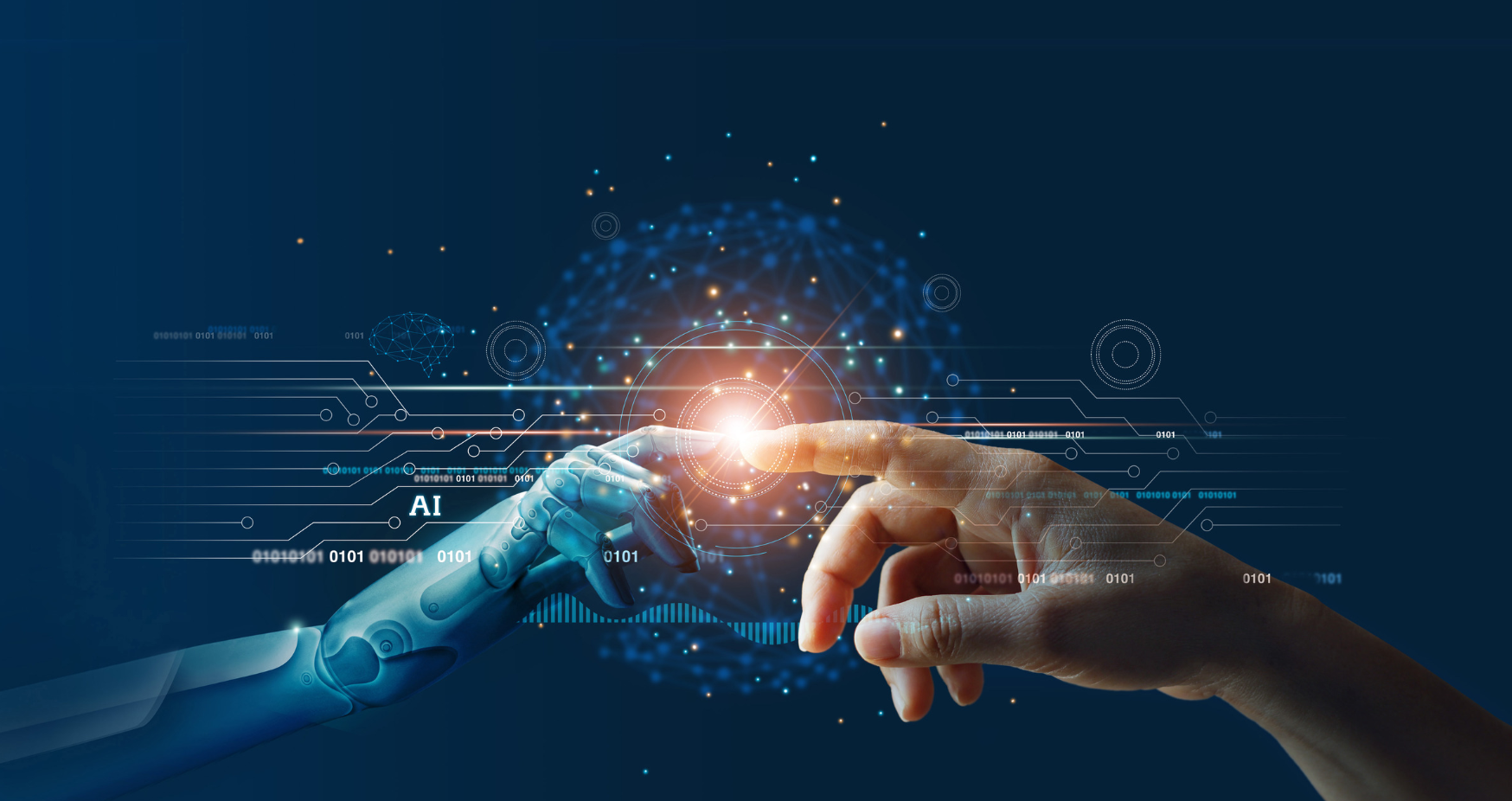
The future of cybersecurity lies in fostering a symbiotic relationship between humans and machines. By leveraging the strengths of both, we can build a more resilient and adaptable defence against the ever-evolving threat landscape.
This “AI-human partnership” will require significant investment in cybersecurity education and training programs to cultivate a new generation of cybersecurity professionals who are proficient in both AI and human-centric security methodologies.
As the cyberwarfare landscape continues to evolve, the need for a multifaceted approach to cybersecurity becomes increasingly critical. By embracing AI while acknowledging its limitations and prioritizing human expertise, we can build a more secure and resilient digital future.