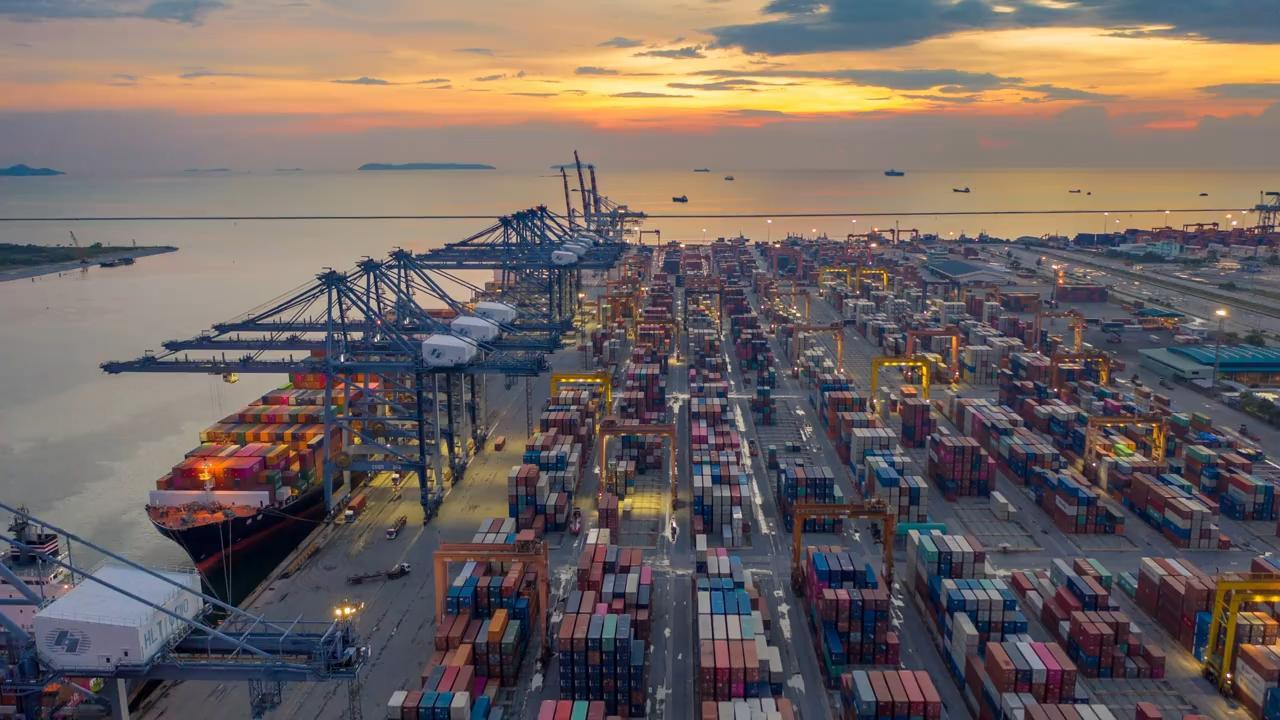
As the Decade of African Seas and Oceans draws to a close, a sober assessment reveals significant shortcomings in the continent’s efforts to harness the potential of its vast maritime domain. While the African Union (AU) has outlined ambitious goals, implementation has been hampered by a lack of coordination, inadequate funding, and insufficient political will.
The cornerstone of Africa’s maritime strategy, AIMS 2050, requires urgent revision. This flagship document, intended to guide the continent’s maritime development, must be updated to address the evolving threatscape, including the rise of cyberattacks, maritime terrorism, and trafficking. Furthermore, AIMS 2050 must incorporate technological advancements, such as AI-driven surveillance and autonomous vessels, to ensure its relevance in the 21st century.
To revitalize AIMS 2050, the AU must overcome the bureaucratic hurdles that have plagued its implementation. Securing consistent funding for its maritime initiatives will be crucial. Exploring options like pooling existing budgets from other departments and actively seeking external funding sources should be prioritized.
Moreover, a champion country is needed to spearhead this effort. While Togo was designated as the lead nation, its progress has been uneven. Identifying and empowering a new champion state is essential to provide the necessary leadership and drive for successful implementation.
Beyond strategic revisions, concrete actions are imperative. The AU must prioritize the operational readiness of its maritime forces. The Amani Africa exercises, designed to assess the African Standby Force’s capacity to respond to maritime threats, must be conducted with greater frequency and rigor.
The swift ratification of the Revised African Maritime Transport Charter is also crucial. This charter, with only three ratifications remaining, is vital for streamlining intra-African trade and enhancing maritime transport infrastructure, crucial pillars for the success of the African Continental Free Trade Area (AfCFTA).
The AU Peace and Security Council (PSC) must play a more proactive role, convening more frequent discussions on maritime security issues. This will foster a unified African approach, reducing reliance on external actors. Furthermore, leveraging the influence of the three current African UN Security Council members (Algeria, Sierra Leone, and Somalia) is crucial to amplify Africa’s voice on global maritime issues.
The upcoming UN Ocean Conference presents a critical opportunity for Africa to showcase its achievements in ocean governance and advocate for greater international support for its maritime initiatives. By highlighting its successes and outlining its vision for a sustainable blue economy, Africa can strengthen its position in global ocean governance and attract much-needed investment.
The Decade of African Seas and Oceans has served as a valuable learning experience. As the continent embarks on the next phase of its maritime journey, it must address the shortcomings of the past and chart a new course – one that is characterized by strong political will, effective coordination, and a commitment to practical implementation.
The stakes are high. The success of Africa’s maritime agenda will not only determine the continent’s economic prosperity but also its security and environmental sustainability for generations to come.