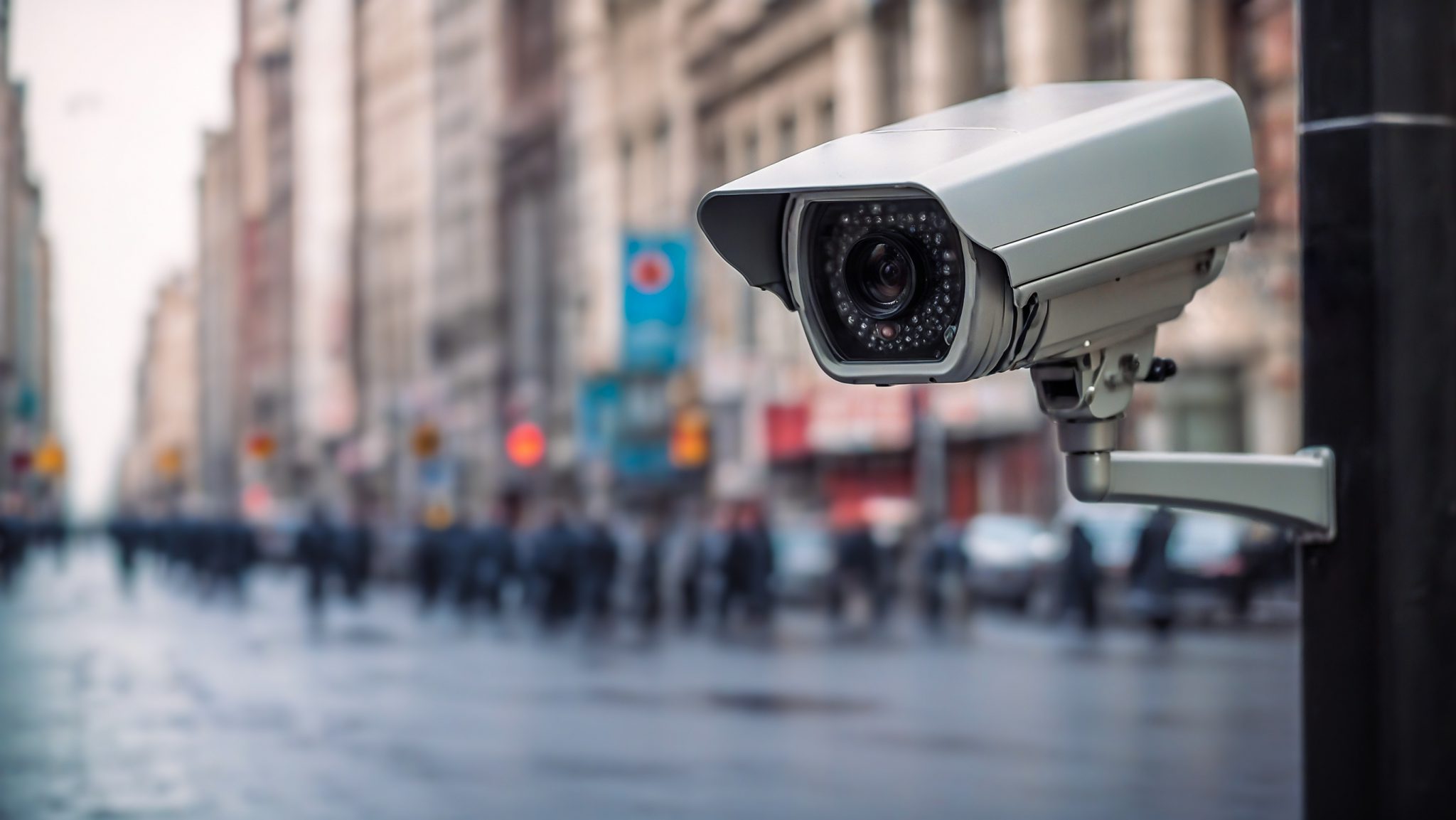
Johannesburg’s newly proposed CCTV bylaw has ignited a firestorm of controversy, with private security companies and crime activists decrying it as a draconian measure that will cripple crime-fighting efforts. Vumacam, a major player in the city’s surveillance infrastructure, has warned that the bylaw’s “unlawful restrictions” will render their operations economically unviable, while anti-crime campaigners allege a sinister motive behind the city’s move.
The draft bylaw, promulgated last Friday, mandates that all private CCTV cameras facing public areas must be registered and approved by the city. Vumacam, which claims to have provided the city with legal insights before the bylaw’s approval, expressed concern that their input was disregarded. They argue that the legislation will severely hinder the collaboration between private security and law enforcement, a partnership they deem crucial for public safety.
“This is a step backwards in the critical fight to protect all citizens and grow the economy,” Vumacam asserted, highlighting the technology’s role in combating insurance fraud, asset recovery, and bylaw enforcement.
The bylaw’s stringent data-sharing restrictions have also drawn sharp criticism. Footage cannot be shared with unauthorized individuals, and even footage of criminal incidents must remain confidential, prohibiting its dissemination on social media.
This clause has particularly enraged anti-crime activists like Yusuf Abramjee, who regularly posts crime videos on social media to raise public awareness. He believes the bylaw is a thinly veiled attempt to suppress the visibility of the state’s perceived failures in curbing crime. “If it weren’t for social media users like myself, residents would have no idea about the extent of crime in South Africa,” Abramjee argued.
André Snyman of Eblockwatch echoed Abramjee’s sentiments, citing numerous instances where criminals were apprehended thanks to the sharing of CCTV footage online. “Why would you take this important tool away?” he questioned.
However, City of Johannesburg public safety committee chair Sara Wissler defended the bylaw, emphasizing the need to protect victims’ privacy. She cited a hypothetical scenario involving a bank heist where fleeing perpetrators caused a fatal accident, arguing that the bylaw would prevent the public dissemination of such distressing footage.
“Imagine it was your wife and your child and people you don’t know are watching the footage of their deaths on the Internet,” Wissler stated.
She clarified that the bylaw will facilitate the sharing of footage with law enforcement, ensuring that it is used for investigative purposes while safeguarding privacy. Wissler also assured that registration will be free and the city will not have remote access to registered cameras.
Despite Wissler’s assurances, the bylaw has sown deep distrust among security companies and crime activists, who fear it will undermine their efforts to combat crime and hold authorities accountable. The battle lines are drawn, and the future of private CCTV surveillance in Johannesburg hangs in the balance.